Part of the Sufi Tour of Iraq series — Sayed Tanveer Hashmi’s group ziyarat across Baghdad, Basra, Samarra and Madayeen.
Two Orders, One City
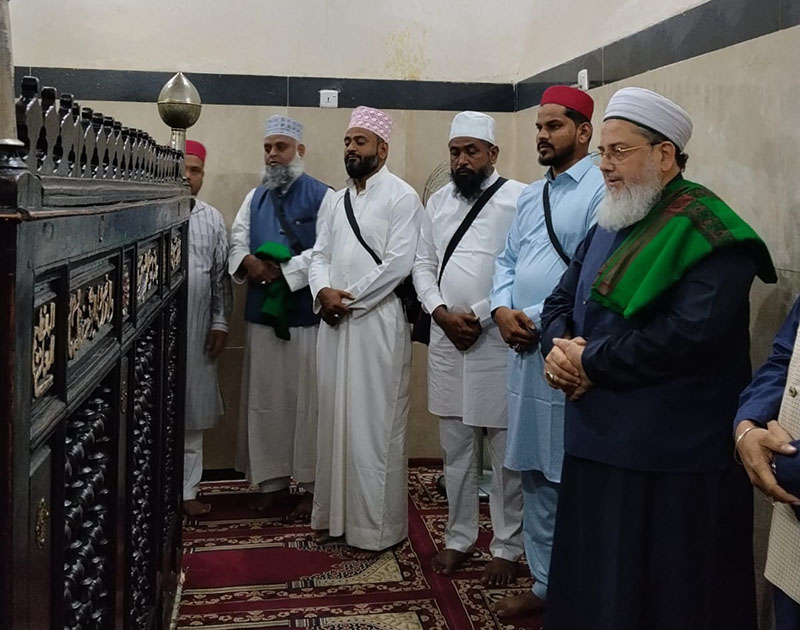
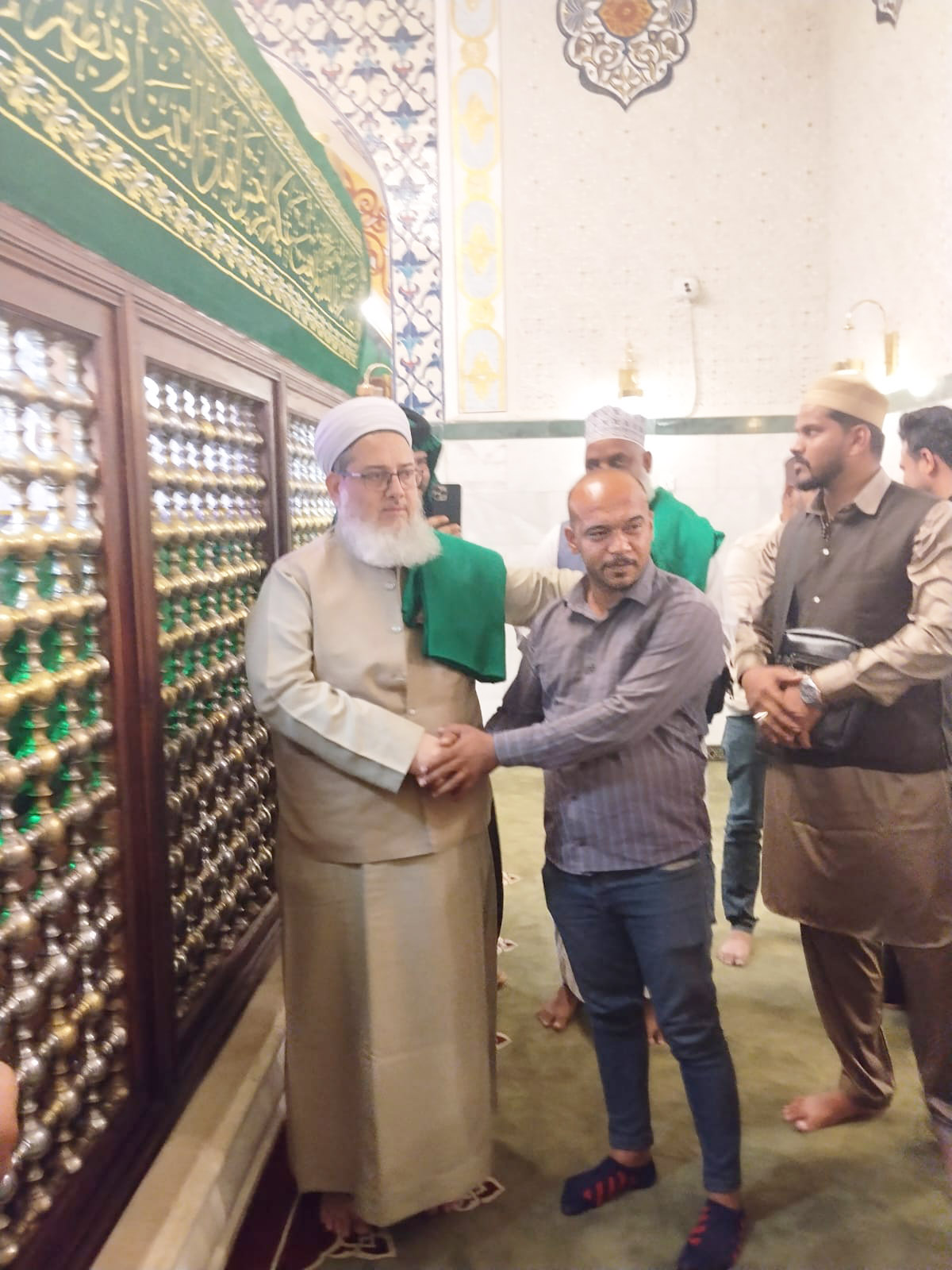
Baghdad also holds the masters of two great orders: Shihabuddin Umar al-Suhrawardi (d. 632 AH), author of the Awarif al-Ma’arif, diplomat-saint of the Abbasid court; and, in the Iraqi marshlands, the astana of Sayyid Ahmed al-Rifai (d. 578 AH), founder of the Rifa’i order — inside which the group was received.
Why They Matter
The Academy’s silsila honours fellowship across orders — Qadiri, Shuttari, Suhrawardi, Rifa’i — as one garden with many gates. See the Golden Chain.
Key Facts
- Shihabuddin Umar al-Suhrawardi (d. 632 AH / 1234 CE) — author of Awarif al-Ma’arif, Abbasid diplomat-saint
- Sayyid Ahmed al-Rifai (d. 578 AH / 1182 CE) — founder of the Rifa’i order, البطائح (southern Iraq)
- City: Baghdad and southern Iraq
Teachings & Works
Suhrawardi’s Awarif is Tasawwuf’s classic manual — forty chapters on seeking, companionship, audition, and the forty-day retreat — studied in Deobandi, Barelvi and Sufi seminaries alike, including ours. As the Caliph’s envoy he carried Sufism into statecraft without staining it. Rifai taught humility to the point of self-effacement; his order’s loud dhikr and service of the poor spread from Iraq to Egypt, Syria and India.
Karamat — What Tradition Holds
Rifai hagiography narrates fire handled unharmed and journeys folded; Suhrawardi’s contemporaries record answered prayers and unveiled states. The Academy’s rule holds: report, don’t inflate.
Sufi Mission & India
Suhrawardi’s deputies founded Multan’s great khanqah (Bahauddin Zakariya); Rifa’i lodges dotted the coasts. The Academy honours fellowship across orders — Qadiri, Shuttari, Suhrawardi, Rifa’i — as one garden, many gates. See the Golden Chain.
Ziyarat Tips
- Intention (niyyah): come to remember Allah and honour His friends — ask of Allah, not of the saint.
- Purity & dress: wudu, modest dress, low voice; the shrine is a mosque court, not a tourist spot.
- Salutations: salam, then Surah Al-Fatiha and Yasin for the deceased, then personal dua.
- Manners: no pushing at the grille, no loud dhikr that disturbs worshippers, ask before photographing people.
- Charity: give sadaqah to the shrine’s poor fund or local beggars on the way out.
Questions Answered
What is the Awarif al-Ma’arif?
Suhrawardi’s forty-chapter Sufi manual — the most taught Tasawwuf text after Qushayri.
Who founded the Rifa’i order?
Sayyid Ahmed al-Rifai (d. 578 AH) of southern Iraq.
Are Rifa’is in India?
Rifa’i influence persists in pockets of the south and west, alongside the dominant Qadiri-Shuttari presence.
What is loud dhikr?
Vocal remembrance practiced in some orders; quiet dhikr is the Academy’s own norm.
Series: Sufi Tour of Iraq: complete guide · Previous: Sufi Tour of Iraq: Hasan Basri & Habib Ajmi · Next: Sufi Tour of Iraq: Samarra, Madayeen & the Sahabi of Basra