Part of the Sufi Tour of Iraq series — Sayed Tanveer Hashmi’s group ziyarat across Baghdad, Basra, Samarra and Madayeen.
Three Lamps of Old Baghdad
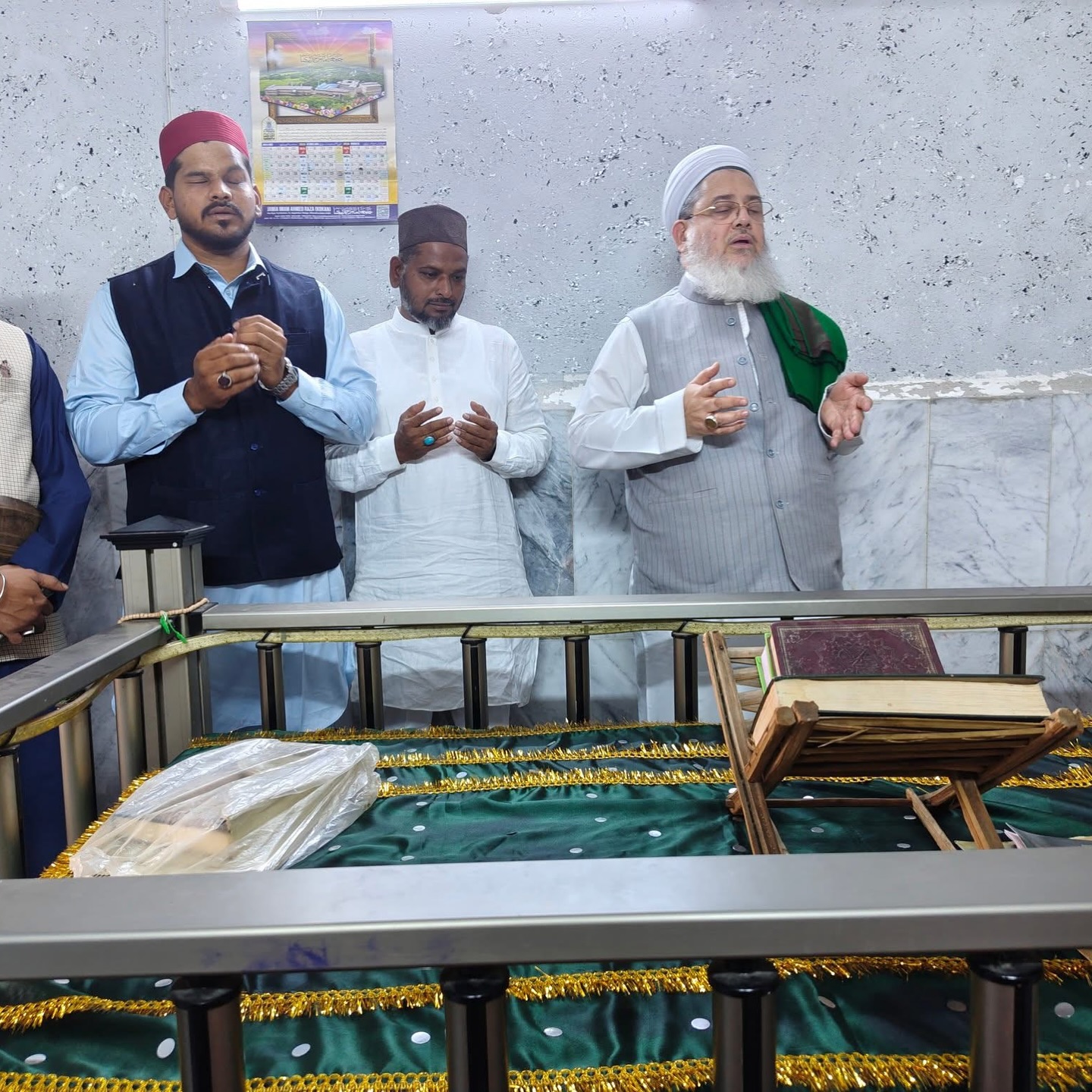
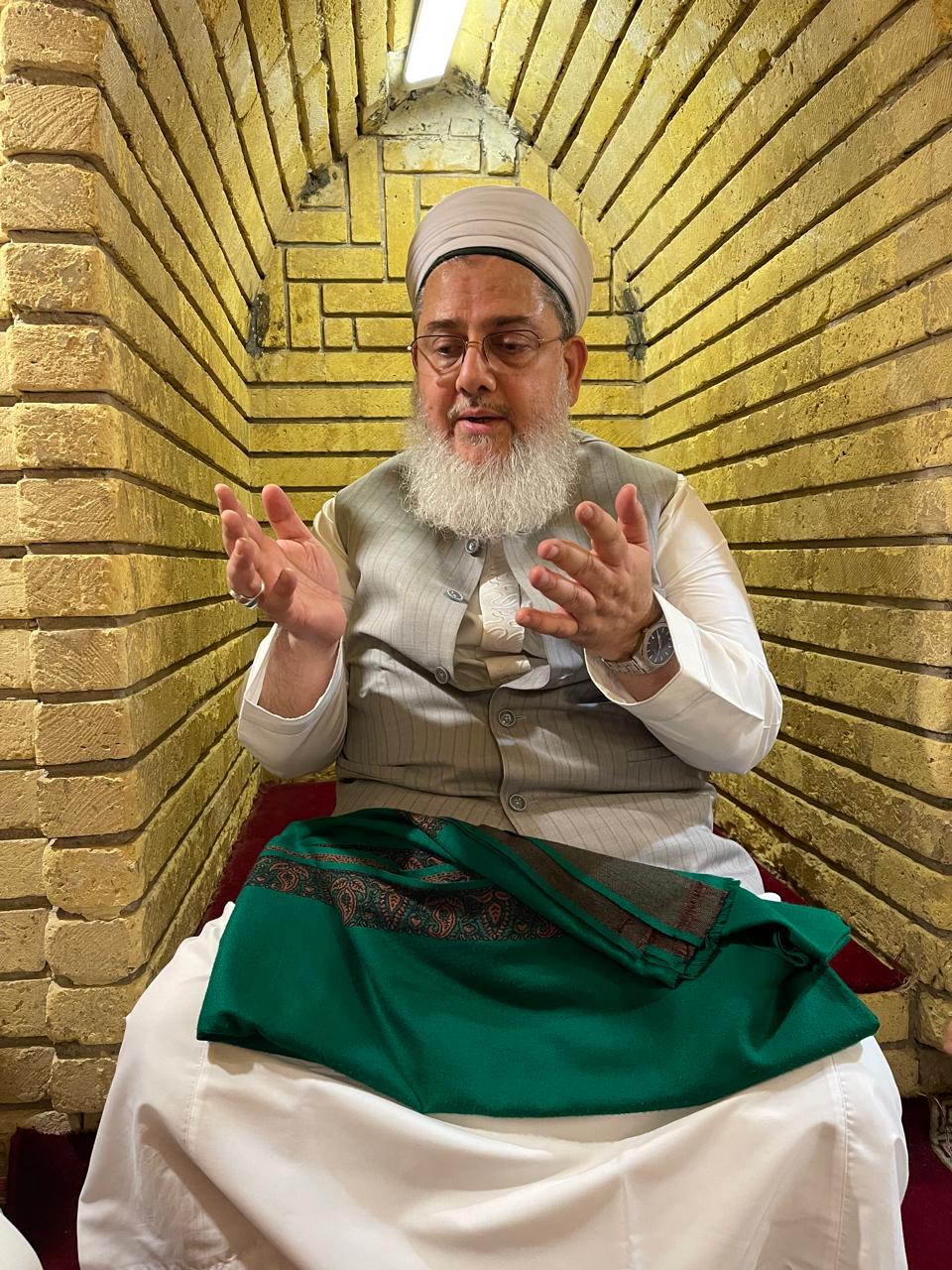
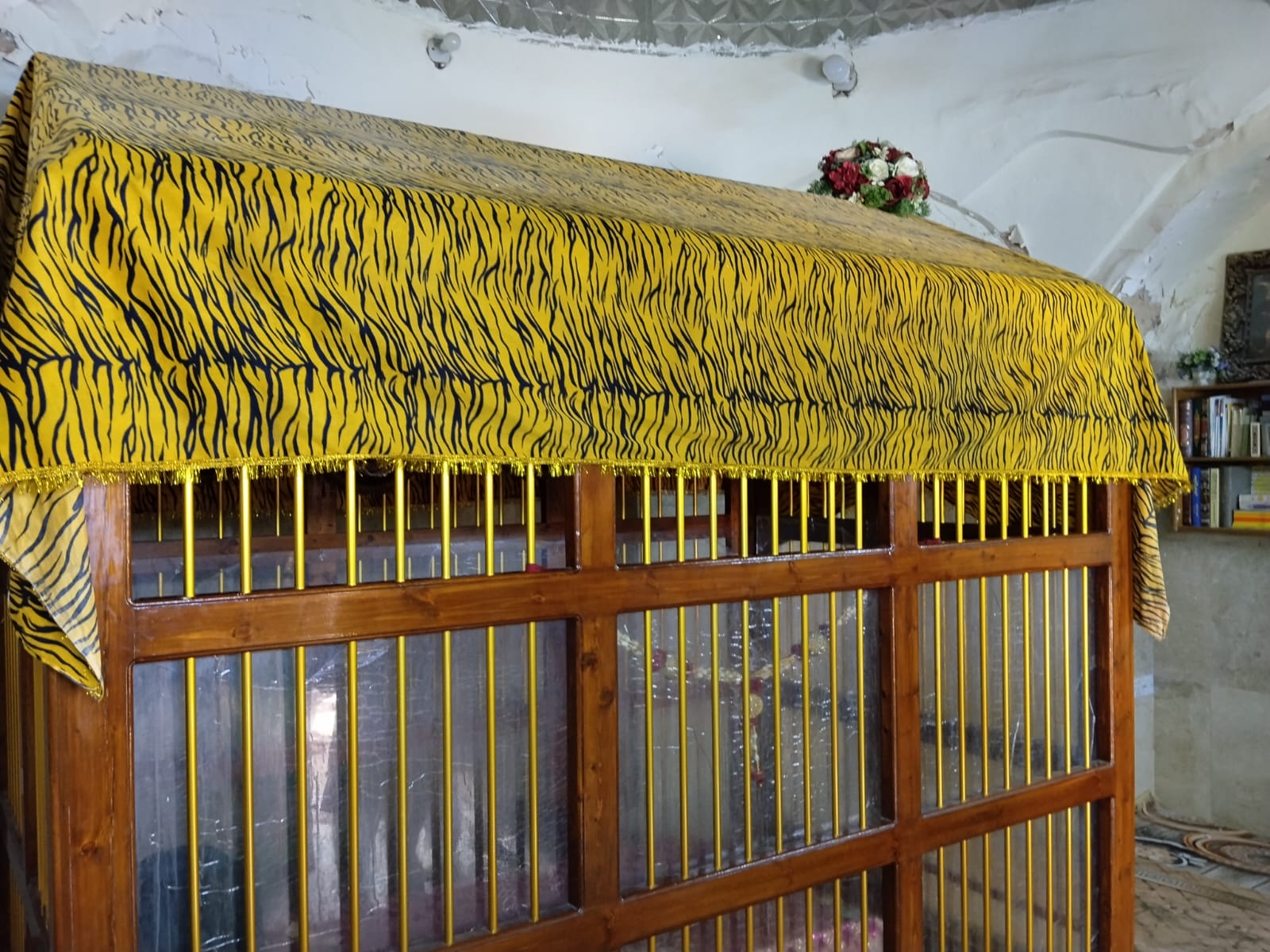
The Baghdad circuit continued to three beloved ascetics: Bishr al-Hafi (d. 227 AH), the barefoot repentant whose conversion story every Baghdadi child knows; Maroof Karkhi (d. 200 AH), at whose makam the group stopped for dua; and Bahlol Dana, the wise majdhub of Harun al-Rashid’s Baghdad whose parables still circulate.
Why They Matter
Baghdad’s sanctity in Sufi imagination rests on exactly these figures — repentance (Bishr), love (Maroof), and holy folly (Bahlol). Their stories anchor the Academy’s teaching tales.
Key Facts
- Bishr al-Hafi (d. 227 AH) — the barefoot ascetic of Baghdad
- Maroof Karkhi (d. 200 AH) — lover of Allah, master of Sari al-Saqti
- Bahlol Dana — the wise majdhub of Harun al-Rashid’s Baghdad
Teachings & Stories
Tradition holds that Bishr found the Prophet’s name written on a scrap in the dirt, perfumed it — and a voice told him he would be raised for honouring the Name. He never wore shoes after, saying the earth bears Allah’s name. Maroof taught love’s arithmetic: nothing given for Allah is lost. Bahlol’s parables — carrying the Caliph’s palace in a basket, answering kings with riddles — punctured courtly pride for a millennium of storytellers.
Karamat — What Tradition Holds
Bishr is reported to have known visitors’ hidden sins at a glance; Maroof’s dua is famed for instant answer. These are hagiographic reports, retold for reform of the heart — the Academy cites them as stories, not evidences.
Sufi Mission
Imam Ahmad ibn Hanbal himself sought Bishr’s company — proof, cherished in our tradition, that Hadith scholarship and Tasawwuf were never enemies. See the next post on Imam Ahmad.
Ziyarat Tips
- Intention (niyyah): come to remember Allah and honour His friends — ask of Allah, not of the saint.
- Purity & dress: wudu, modest dress, low voice; the shrine is a mosque court, not a tourist spot.
- Salutations: salam, then Surah Al-Fatiha and Yasin for the deceased, then personal dua.
- Manners: no pushing at the grille, no loud dhikr that disturbs worshippers, ask before photographing people.
- Charity: give sadaqah to the shrine’s poor fund or local beggars on the way out.
Questions Answered
Why is Bishr called al-Hafi (barefoot)?
Tradition says he never wore shoes after his repentance, honouring the earth that bears Allah’s name.
Who was Maroof Karkhi?
A 2nd-century Baghdadi saint of love and dua, master in the chain to Sari al-Saqti and Junayd.
Who was Bahlol Dana?
A majdhub (holy fool) of Abbasid Baghdad famed for parables that humbled kings.
Are these stories authentic?
They are hagiographic — transmitted for edification. The Academy distinguishes story from established history.
Series: Sufi Tour of Iraq: complete guide · Previous: Sufi Tour of Iraq: Junayd al-Baghdadi & Sari Saqti · Next: Sufi Tour of Iraq: Imam Ahmad ibn Hanbal