Part of the Sufi Tour of Iraq series — Sayed Tanveer Hashmi’s group ziyarat across Baghdad, Basra, Samarra and Madayeen.
The Imam of Hadith
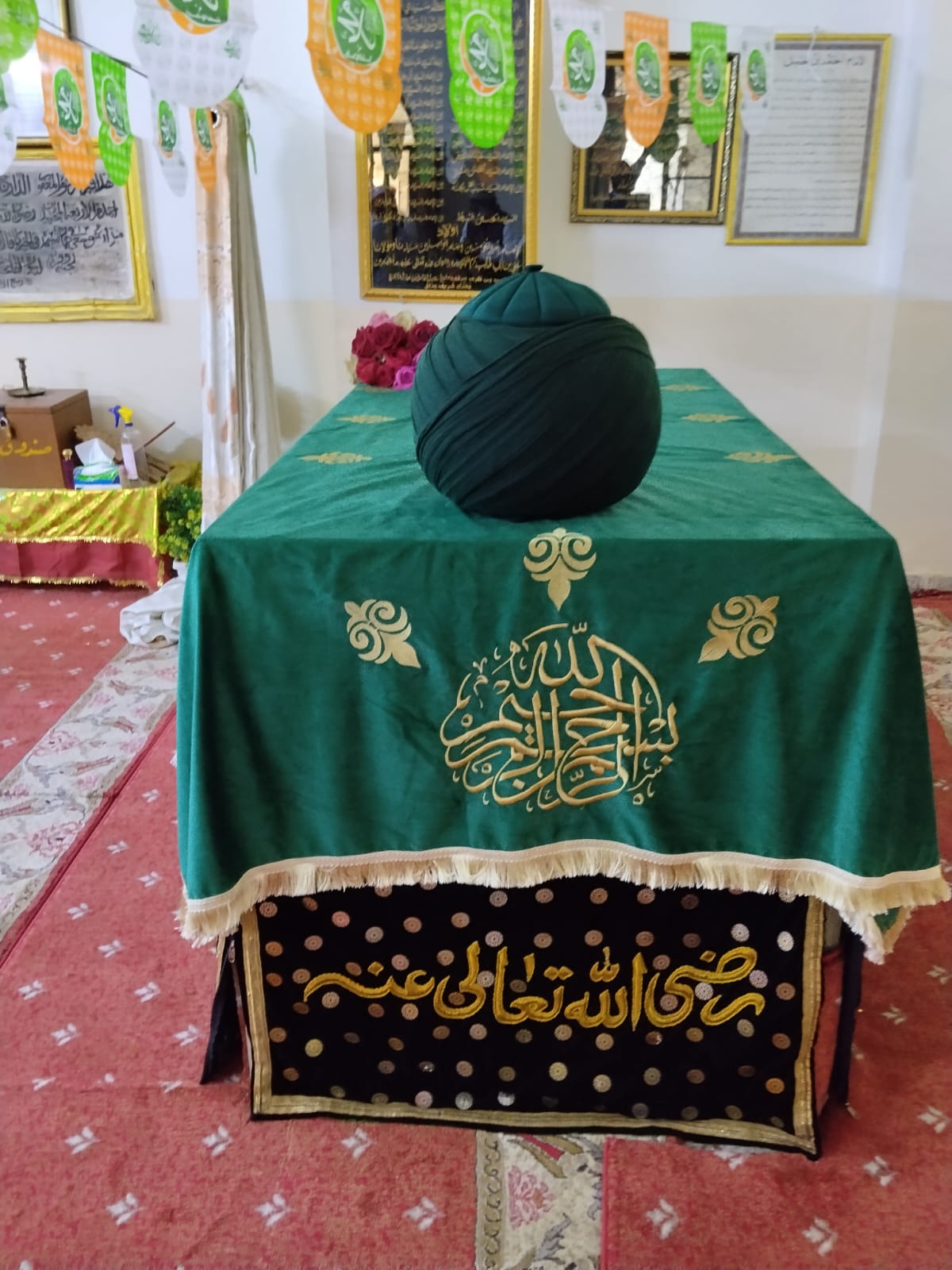
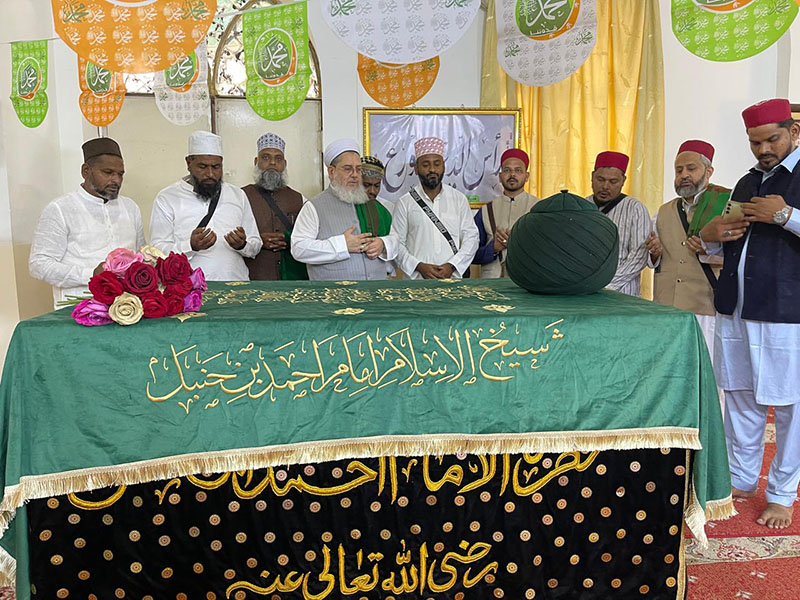
The group visited the shrine of Imam Ahmad ibn Hanbal (d. 241 AH / 855 CE) — compiler of the Musnad, steadfast through the Mihna, and eponym of the Hanbali school — gathering for dua and a group photograph at his resting place.
Why He Matters
Ahmad’s defence of the uncreated Quran made him the Sunni symbol of scholarly courage. The Academy’s syllabus teaches Hadith methodology in his spirit — memorisation with chains, text with transmission.
Key Facts
- Who: Imam Ahmad ibn Hanbal (d. 241 AH / 855 CE)
- Works: Al-Musnad (~30,000 narrations), creedal epistles
- Students: Al-Bukhari, Muslim, Abu Dawud learned from him
- Trial: the Mihna — flogged under Al-Mu’tasim for refusing to call the Quran created
Teachings
Ahmad’s doctrine was method: the Quran and authentic Sunnah over speculation; the Companions’ understanding over philosophy; patience under rulers without rebellion. His Musnad organised Hadith by Companion — a research tool still unmatched for tracing transmission.
The Mihna — Documented History
Unlike karamat reports, the Mihna is multiply-attested history: summoned, debated, flogged, imprisoned — Ahmad would not pronounce the created-Quran formula. His release under Al-Mutawakkil made him the Sunni symbol of scholarly courage.
Books
- Al-Musnad — ~30,000 hadith arranged by Companion
- Al-Radd ala al-Jahmiyya — creedal refutation
- Kitab al-Zuhd — ascetic narrations (note: its attribution is debated among specialists)
Sufi Mission
Ahmad’s Zuhd and his companionship with Bishr al-Hafi place him inside Tasawwuf’s ancestry. The Academy’s syllabus teaches Hadith in his spirit: text with chain, knowledge with humility.
Ziyarat Tips
- Intention (niyyah): come to remember Allah and honour His friends — ask of Allah, not of the saint.
- Purity & dress: wudu, modest dress, low voice; the shrine is a mosque court, not a tourist spot.
- Salutations: salam, then Surah Al-Fatiha and Yasin for the deceased, then personal dua.
- Manners: no pushing at the grille, no loud dhikr that disturbs worshippers, ask before photographing people.
- Charity: give sadaqah to the shrine’s poor fund or local beggars on the way out.
Questions Answered
Where is Imam Ahmad buried?
In Baghdad, Iraq, where the group made dua at his shrine.
What was the Mihna?
The Abbasid inquisition (833–848 CE) imposing the created-Quran doctrine; Ahmad’s refusal defined Sunni orthodoxy.
What is the Musnad?
Ahmad’s hadith collection of ~30,000 narrations arranged by the Companion who transmitted them.
Was Ahmad a Sufi?
He lived zuhd (asceticism) and kept company with ascetics like Bishr — the raw material of later Tasawwuf.
Series: Sufi Tour of Iraq: complete guide · Previous: Sufi Tour of Iraq: Bishr al-Hafi, Maroof Karkhi & Bahlol Dana · Next: Sufi Tour of Iraq: Rabia Basri in Basra