
10 November Sufi Tour of the Blessed City of Basra
A Pilgrimage Through the Bedrock of Islamic Mysticism
What a profoundly spiritually rich journey that must have been. A Sufi tour of Basra, led by Pir Sayed Tanveer Hashmi, is not merely a trip but a pilgrimage through the very bedrock of Islamic spirituality, history, and mysticism. Basra, one of the earliest and most important garrison cities of Islam, is a unique tapestry where the threads of the Sahaba (Companions), the Tabi'een (Successors), and early Sufi saints are intricately woven together.
Your blog about the 10 November Sufi Tour of the Blessed City of Basra would illuminate a journey to the heart of early Islamic piety. Here’s a breakdown of the immense spiritual significance of the sites visited:
The Foundation: The Sahaba
The graves of the Sahaba (Companions of the Prophet ﷺ) in Basra are pillars of light, attracting believers for centuries. Visiting them is considered a means of connection (tawassul) and a lesson in devotion.
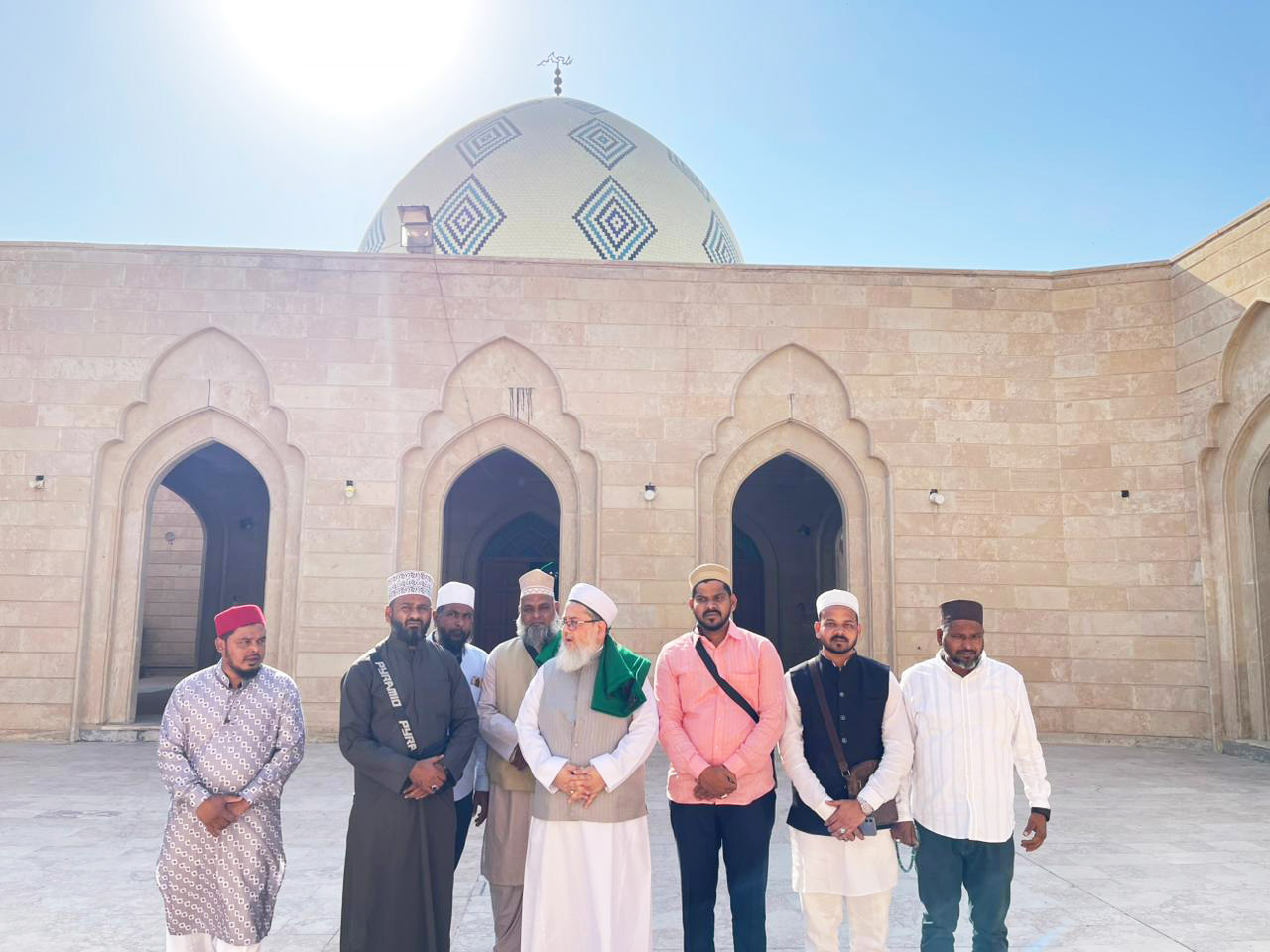
Pir Sayed Tanveer Hashmi offering prayers at the resting place of the Prophet's servant.
- Hazrat Anas ibn Malik (RA): As the personal servant of the Prophet Muhammad (ﷺ) for ten years, his grave is a direct link to the daily life and sunnah of the Prophet. He narrated over 2,000 hadiths. Ziyarat of his maqam is like touching a living chain of transmission.
- Hazrat Talha bin Ubaidullah (RA) & Hazrat Zubair bin Awwam (RA): These two are among the Ashra Mubashara—the Ten Promised Paradise. Their presence in Basra elevates the city's status immensely. Their sacrifices in the Battle of the Camel and their burial there make Basra a site of immense historical gravity and spiritual blessing (barakah). Their stories are lessons in courage, loyalty, and the complex trials of the early Muslim community.
- Hazrat Abu Talha al-Ansari (RA): A generous and brave Ansari companion known for his devotion. His association with Basra adds to the city's collection of the Prophet's closest aides.
- Hazrat Utbah bin Ghazwan (RA): As the founder and first governor of Basra, his story is the story of the city's birth. Visiting his resting place connects one to the very genesis of Basra as an Islamic center of knowledge, trade, and governance.
The Bridge: The Tabi'een – Imam Hassan al-Basri (RA)
Perhaps no figure embodies the spirit of Basra more than Imam Hassan al-Basri (642–728 CE). The son of a freed slave, he grew up in the household of Hazrat Umm Salama (RA) and met many Sahaba. He is the towering figure of the Tabi'een generation.
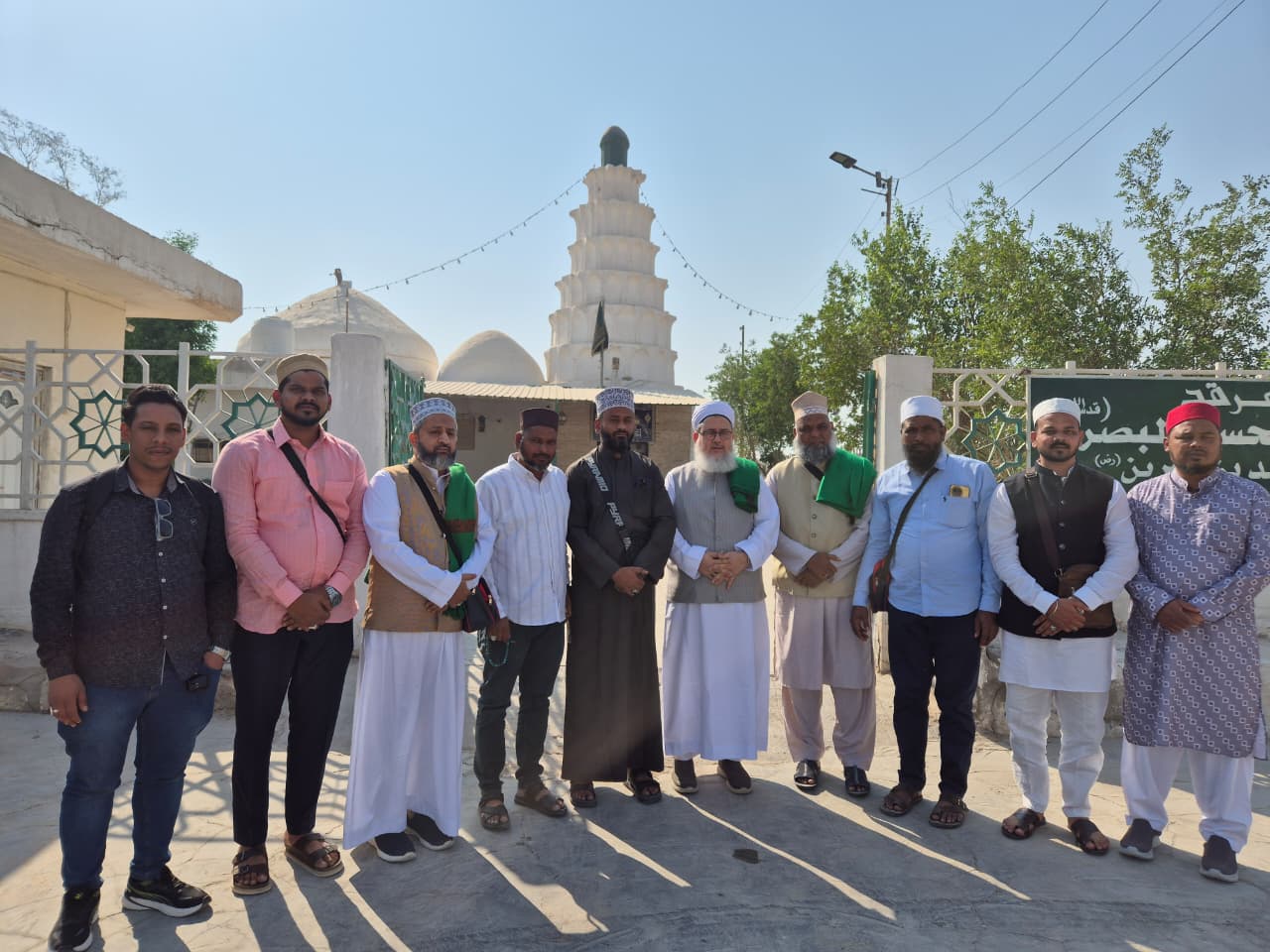
He was the spiritual and intellectual pivot of Basra. His sermons, focused on piety, asceticism (zuhd), fear of God, and sincerity, directly inspired the early ascetic movement that would later crystallize into Sufism.
His maqam is a university of the soul. For Sufis, he is a foundational guide. His famous sayings resonate at the core of Sufi metaphysics. Ziyarat of his grave is to stand at the feet of the teacher of the entire spiritual chain.
The Flowering: Sufi Mysticism – Rabi'a al-Basri
From the soil watered by the Sahaba and cultivated by Imam Hassan al-Basri, bloomed the most fragrant flower of early Sufism: Rabi'a al-Adawiyya al-Basri (717–801 CE).
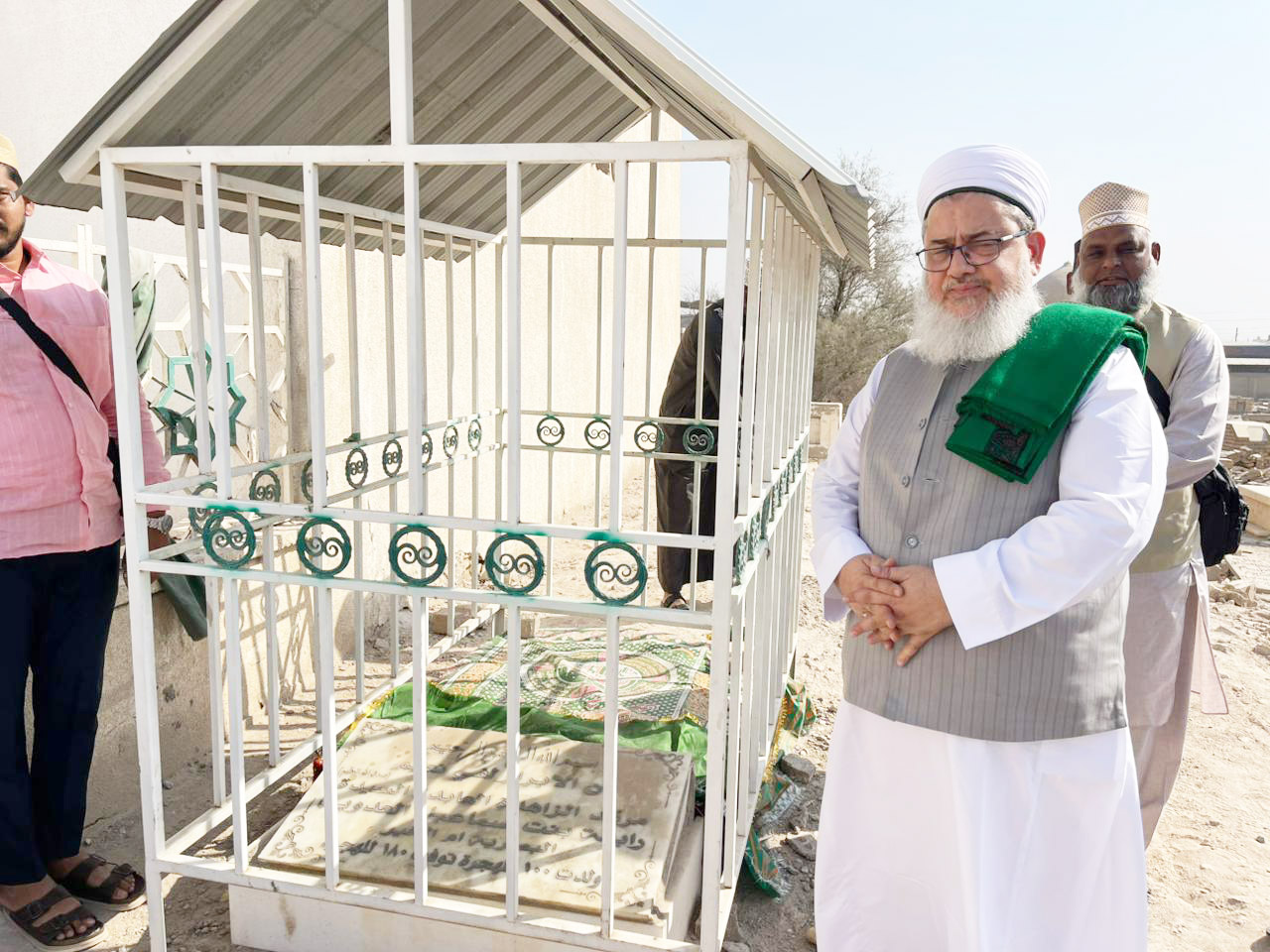
- Her story is the culmination of the Basran spiritual journey. A freed slave who lived a life of utter poverty and devotion, she is universally revered as the first true "saint" of love in Islam and a pivotal female spiritual master.
- She transformed the God-consciousness of her predecessors into a doctrine of disinterested, passionate love. Her famous prayers—"O God, if I worship You for fear of Hell, burn me in Hell..."—epitomize the Sufi quest for divine love beyond reward or punishment.
- For a Sufi tour, her mazar is the ultimate destination. It represents the fruit of the path: the heart purified of all but God. Her presence signifies that the highest stations of spirituality are accessible to all, regardless of gender or social status.
The Tapestry Complete
A tour led by Pir Sayed Tanveer Hashmi would not just visit these sites as historical monuments, but would connect them as stations (maqamat) on a single spiritual path:
This journey from Companionship → Ascetic Piety → Divine Love is the very narrative of early Sufism, and it is physically mapped onto the blessed earth of Basra.
This blog capture not just a tour, but a walking meditation through Islamic spiritual history, following in the footsteps of giants who defined what it means to seek God.