
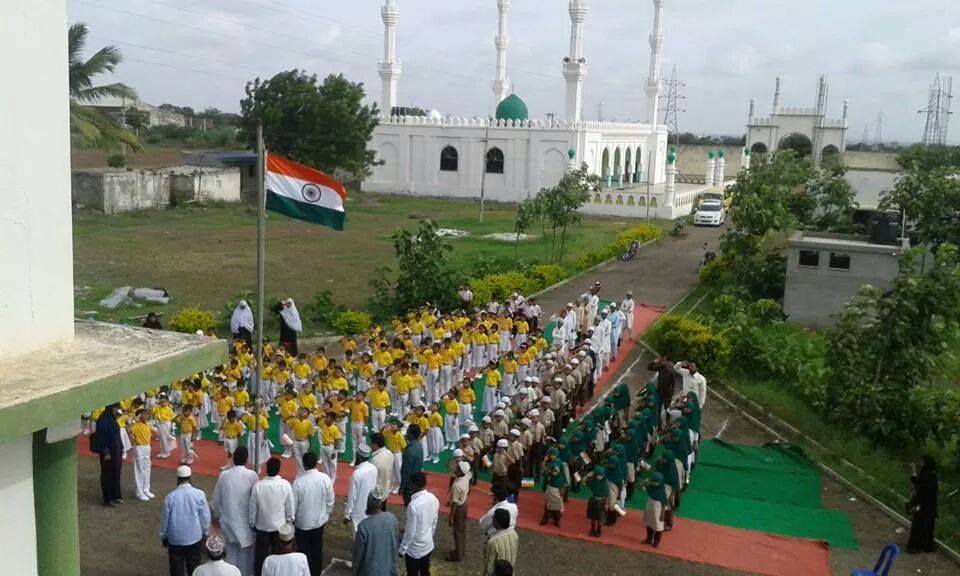
Balancing Faith and Modern Education: A Holistic Approach to Learning
Wisdom India School of Hashim
Balancing Faith and Modern Education: A Holistic Approach to Learning
In an era where education often compartmentalizes religious and secular learning, Wisdom India School of Hashim stands as a beacon of integrated education. The school’s comprehensive syllabus demonstrates how Islamic education and modern academics can work hand in hand to nurture well-rounded students.
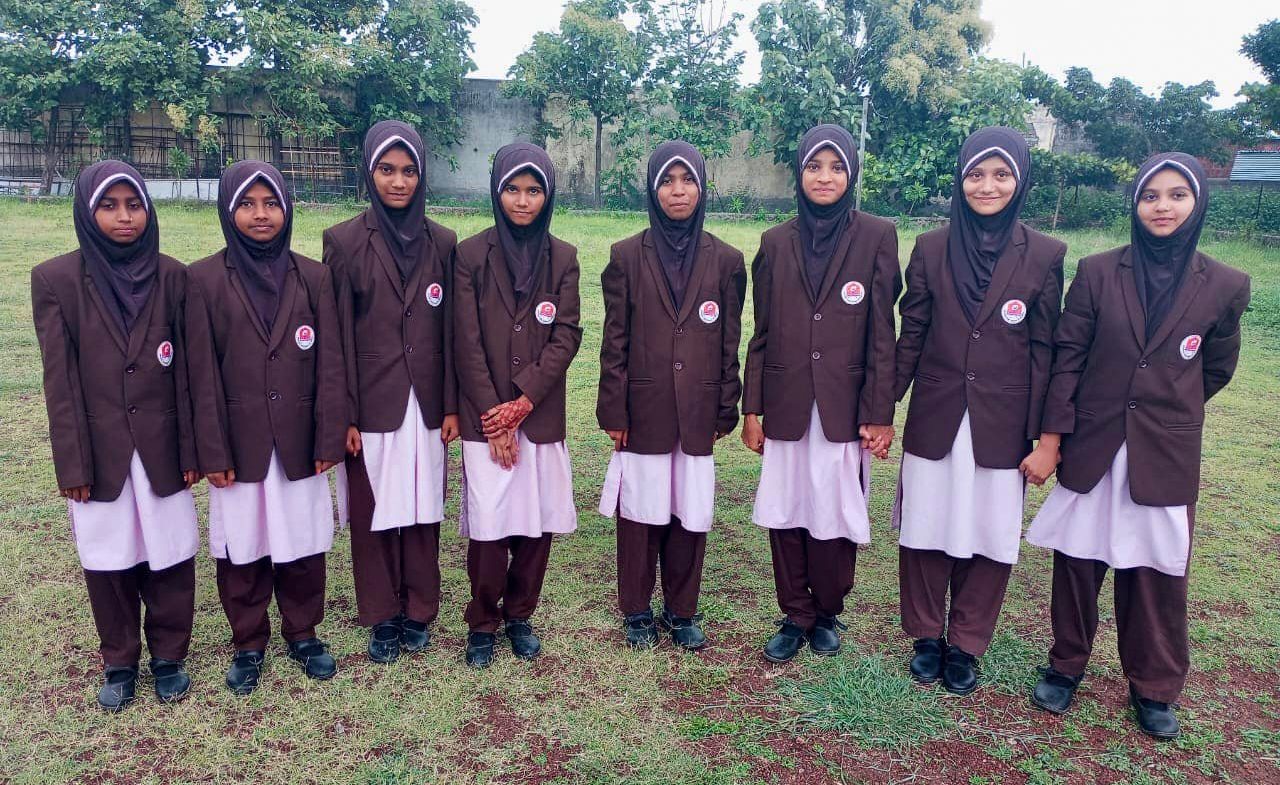
Fostering excellence and character in our students.
The Foundation Years: Building Character from the Start
From LKG onwards, students at Wisdom India School begin their journey with Deeniyat (religious studies) alongside their regular curriculum. This early introduction isn’t about overwhelming young minds but about naturally weaving faith into daily learning. Young learners start with the basics of Yassarnal Quran and simple Surahs like Al-Fatiha, Al-Asr, and Al-Ikhlas, creating a foundation of spiritual literacy that grows with them.
The beauty of this approach lies in its progression. As children move through primary grades, they’re not just memorizing; they’re understanding. The curriculum introduces Ahadees (Prophetic traditions), Kalimas (declarations of faith), and daily Duas (prayers) in manageable portions, ensuring that faith becomes a living practice rather than rote learning.
Quranic Studies: A Journey of Connection
One of the most remarkable aspects of the syllabus is its structured approach to Quranic education. Students progress through carefully planned stages:
- Early Primary (1st-2nd): Completing Noorani and Baghdadi Qaeda, the foundational texts for reading Arabic and the Quran.
- Middle Primary (3rd-5th): Completing portions of the Quran (7 to 10 Paras) while developing proper recitation skills.
- Secondary (6th-7th): Continuing with 10 Paras annually while deepening understanding.
This systematic progression ensures that by the time students reach higher grades, they have developed a meaningful relationship with the Quran, not just the ability to recite it.
Language Skills: Urdu and Arabic Excellence
The emphasis on Urdu language development through textbooks like “Tamir-e-Adab” and later “Faizul Adab” ensures students can engage with Islamic literature in its traditional language. Starting from grade 4, students also begin formal Arabic studies with “Minhajul Arabia,” learning 50 Arabic words and alphabets each year.
The Namaz Curriculum: Living the Faith
Grade 3 marks a significant milestone where students begin learning Namaz (prayer) in a structured manner. They learn Attahiyat, Durood-e-Ibrahim, and Dua-e-Masoora—the essential components of Islamic prayer. This practical religious education ensures that students don’t just know about their faith; they know how to practice it.
Advanced Studies: Deepening Understanding
Aqaid
Through Kitab-ul-Aqaid, students explore the theological foundations of their faith.
Fiqh
Bahar-e-Shari’at introduces students to Islamic law and practical rulings.
Seerat
Tawareekh-e-Habeeb-e-Ilahi helps students understand the life and character of Prophet Muhammad (peace be upon him).
The Hifz-e-Quran Plus Program
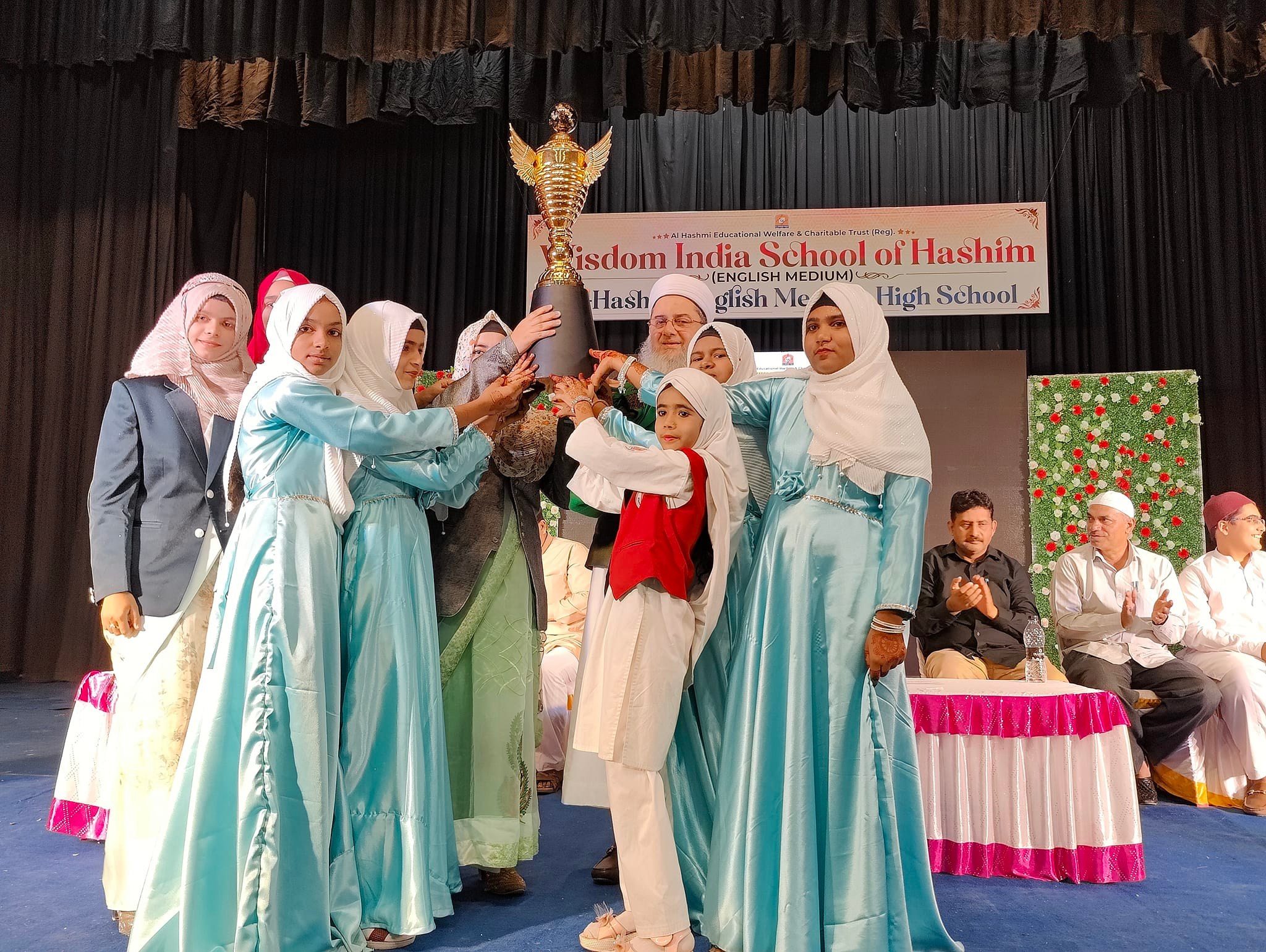
For dedicated students, the school offers a remarkable five-year Hifz program that balances 70% Quran memorization with 30% modern education in English, Mathematics, and Science. Running from 5th to 9th grade, this program demonstrates the school’s commitment to ensuring that those who memorize the Quran don’t miss out on essential modern education.
Why This Integrated Approach Matters
- Identity Formation: Students develop a strong sense of who they are and what they believe.
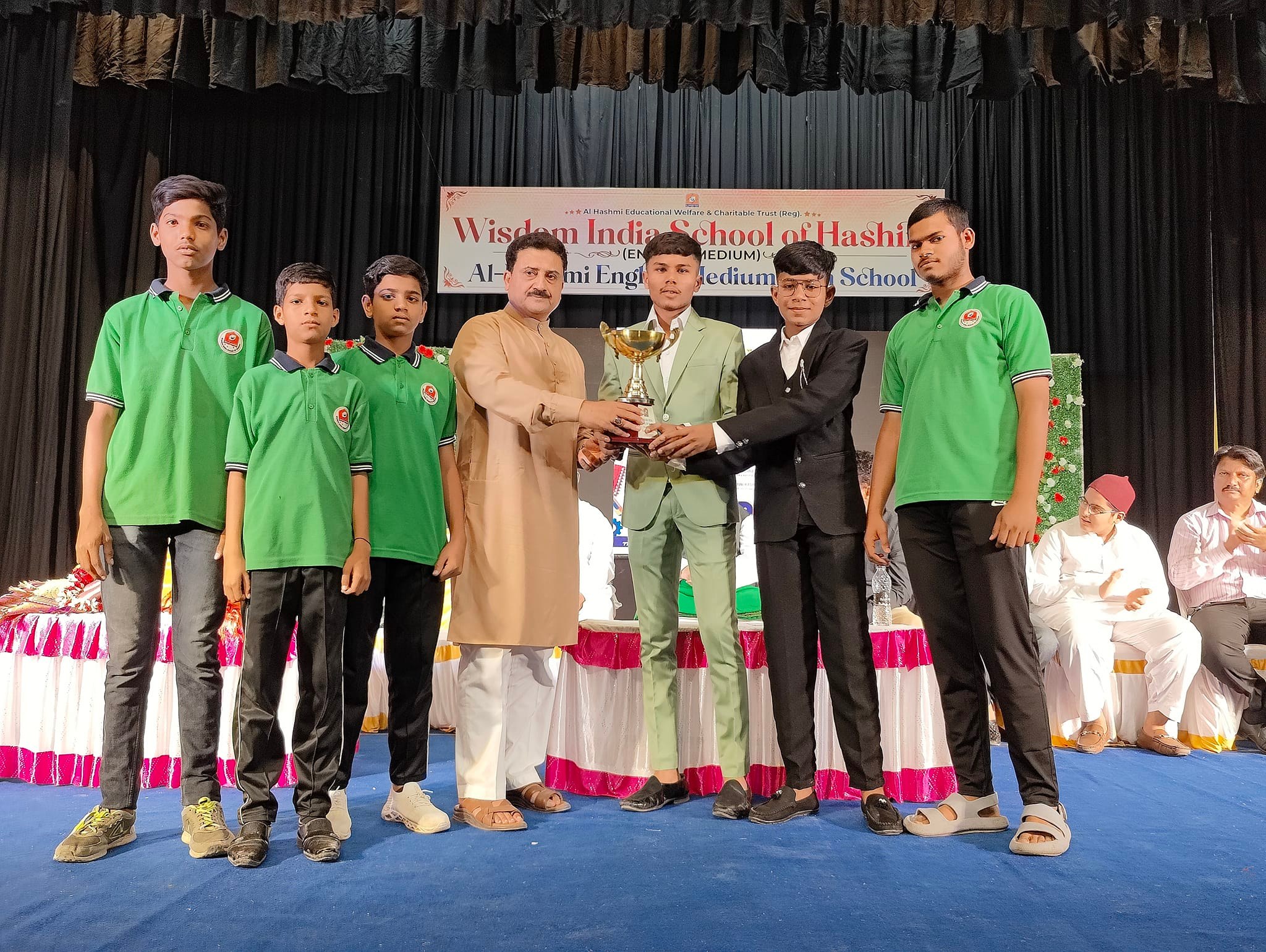
- Academic Excellence: Religious studies don’t replace modern education but complement it.
- Practical Application: Learning isn’t theoretical but immediately applicable to daily life.
The Parental Partnership
The syllabus acknowledges something crucial: education is a partnership between school and home. Particularly for programs like Hifz, the document notes that “students require care and attention of not only teachers but also parents.”
Conclusion: Education for Life
The Wisdom India School of Hashim syllabus represents more than just a curriculum—it’s a philosophy of education. It says that academic excellence and spiritual development are not competing priorities but complementary goals.
In a world that often forces us to choose between tradition and progress, this syllabus shows us we don’t have to. We can, and should, have both.